
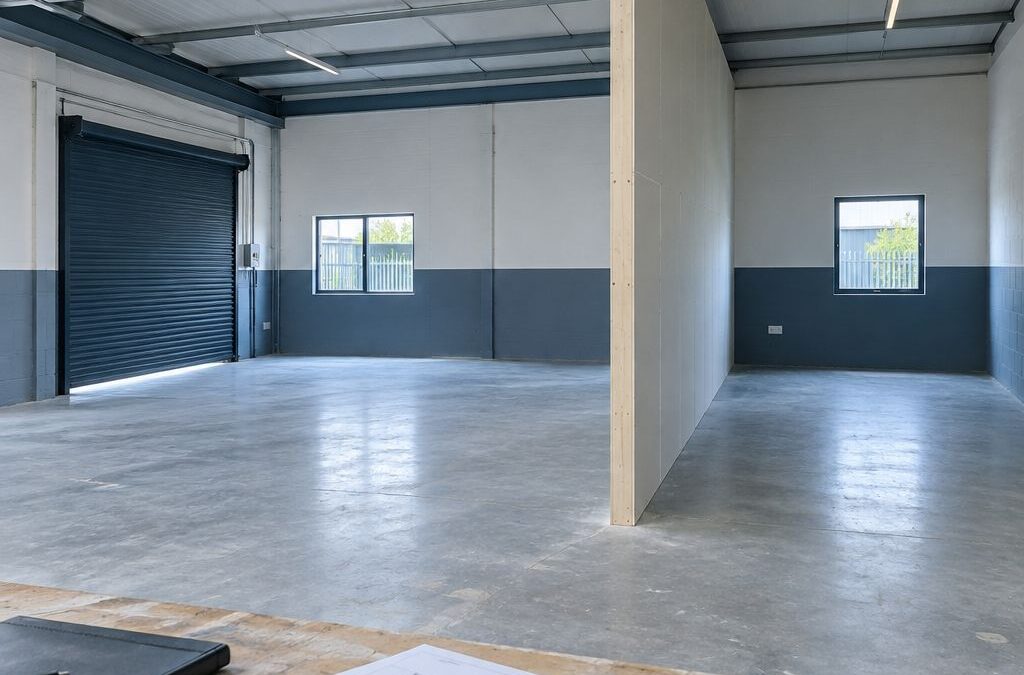
Check, Challenge, Appeal is the route a property split takes through the business rates system: you open a check with the Valuation Office Agency (VOA), challenge the rating list entry if the facts are disputed, and appeal to the Valuation Tribunal for England if the challenge fails. The ground is not that your bill feels too high — it is that the list shows the wrong unit of assessment: one property where the facts show two, or two where the facts show one. Get the ground right before anything else, because the VOA can turn away a challenge filed on the wrong basis.
- Check, Challenge, Appeal handles property splits and merges; the ground is a wrong unit of assessment.
- Challenge within 4 months of a check decision, or 16 months for surrounding-area cases.
- A VOA business rates valuation account is needed before you can use the process.
- Keep paying your bill as issued while the case is decided.
- A split can push the combined rateable value up as well as down.
Why this matters
Since 1 April 2017, every business rates appeal in England has started with a check rather than a tribunal form, and Wales adopted the same structure on 1 April 2023. In 2026 the process itself is unchanged: check first, challenge second, appeal last. Splits and merges reach this process more often than owners expect — partition a floor for a subtenant, wall off part of a shop, or join two next-door premises into one trading unit, and the rating list should follow the facts. See how subletting part of your property changes the picture when a tenancy is what triggered the change.
The stakes run in both directions. A split that is recorded can give each part its own rateable value and its own relief position; a split argued badly can leave the list untouched, cost months, or produce a value higher than the one you started with. Appeal My Rates UK assesses these cases free before anything is filed, because the ground you choose decides whether the VOA engages at all.
How does Check, Challenge, Appeal apply to property splits?
The three stages are the same as any other case, but the question at the centre is different: not "is the value too high?" but "does the list describe the right property?". The sequence runs:
- Confirm the unit of assessment is genuinely wrong. Rating law does not split a building on a wall alone. Properties that would otherwise form a single hereditament can still be assessed separately when they are used for wholly different purposes, and two separate properties can still be assessed as one where a sufficiently strong functional connection exists. The VOA weighs physical division, separate occupation and use together.
- Register for a business rates valuation account. The check, challenge and appeal steps all sit behind this account on the VOA's service. Without it you cannot open a case or track its progress.
- Open a check and send evidence of the division. Plans of the new layout, the date the physical works finished, tenancy agreements or occupation details for each part, and separate services such as meters or entrances.
- Read the check decision. The VOA either agrees an alteration to the list or sets out why it will not. Some splits end here, agreed at check stage.
- Challenge within 4 months of the decision if you disagree, stating a valid ground.
- Appeal to the Valuation Tribunal for England if the challenge is rejected.
The same route applies on the 2026 rating list, which took effect on 1 April 2026 — the list was rebuilt, but the way you alter it was not.
Stage 1 — Check: the VOA confirms the facts
A check is an information step, not an argument. You supply what the building is now like and how it is occupied; the VOA compares that against the rating list entry. Keep dated copies of everything you send. If the VOA accepts the facts, the list can be altered without any further stages, and the change is dated to the point the actual facts changed.
Stage 2 — Challenge: the 4-month window
A challenge is a formal case and must carry a ground — the stated basis for altering the list. Where the unit of assessment is wrong, the VOA's own guidance directs ratepayers to the grounds used to reconstitute an assessment, not the rateable-value grounds. The deadlines are strict: 4 months from the check decision, or 16 months from your original check submission where the case turns on a change in the surrounding area. If the VOA has not decided your check case after 12 months, you can go ahead and challenge without waiting longer. And the rules are blunt about repeats: you cannot challenge twice on the same grounds. A second challenge needs a new circumstance with a different effective date.
Stage 3 — Appeal: the Valuation Tribunal for England
If the challenge fails, the case can move to the Valuation Tribunal for England, an independent body outside the VOA. The tribunal hears the evidence about the property's physical facts and occupation and decides whether the list should be altered. Everything you assembled at check stage — plans, works dates, tenancies — becomes the backbone of the hearing, which is why the early paperwork is worth doing properly.
What the VOA weighs when a split is claimed
- Physical division. Walls, floors and separate entrances that genuinely divide the building.
- Separate occupation. Who actually occupies each part, under what agreement and since when.
- Separate use. Wholly different purposes are what let two units stand apart in assessment even where they could physically be one.
- Functional connection. A strong functional link can hold two separate properties together as a single assessment.
- Services and identity. Separate meters, addresses and access points that mark out each unit on the ground.
Why a split case differs from a rateable value challenge
- A different ground. A value challenge says the rateable value is too high; a split case says the list holds the wrong property or the wrong number of properties.
- Different evidence. Plans, completion dates, leases and occupation facts carry the case, with rental comparables in a supporting role.
- A different outcome. The list is reconstituted: two entries replace one, or one replaces two, each with its own rateable value and effective date.
- Reliefs can move either way. Since 1 April 2017, small business rate relief has turned on how many properties you occupy and their values, so two small units after a split do not automatically qualify where one larger property did not.
- The value can rise. Rounding and the revaluation of each part on its own merits mean the combined rateable value after a split can land above the old figure. The process targets accuracy, not a discount.
Related questions
Can I split my property to reduce business rates?
Only where the facts support two genuinely separate, separately occupied units. If they do, the split is recorded through this process and each part is valued on its own terms — which can cut the bill, leave it level or raise it. A split that exists on paper only will not stand. Before filing, it is worth knowing that challenging your valuation can move it up as well as down.
Do I keep paying my business rates during a split case?
Yes. Pay the bill as issued while the VOA and, if needed, the tribunal consider the case. Any correction agreed later is handled through revised billing.
What happens if the VOA rejects my challenge?
You can appeal to the Valuation Tribunal for England. What you cannot do is submit a second challenge on the same grounds — that needs a new circumstance with a different effective date.
FAQ
Does Check, Challenge, Appeal apply to property splits?
Yes. A split or merge is handled through Check, Challenge, Appeal, with the ground that the unit of assessment in the rating list is wrong rather than that the rateable value is too high.
How long do I have to challenge after a check decision?
4 months from the check case decision. Where the case turns on a change in the surrounding area, the window is 16 months from your original check submission instead.
Do I need an account to use Check, Challenge, Appeal?
Yes. You register for a business rates valuation account, add the property, and use that account to open the check and follow the case.
What evidence proves a property split?
Plans of the divided layout, the date the physical works finished, tenancy or occupation details for each part, and evidence of separate services such as meters or entrances.
Can two separate properties still be assessed as one?
Yes. Where a sufficiently strong functional connection exists between two properties, they can remain a single assessment even though they could stand apart physically.
Do I pay business rates while a split case runs?
Yes. You pay the bill as issued during the process, and any correction agreed later is dealt with through revised billing.
Does Check, Challenge, Appeal apply in Wales?
Yes, from 1 April 2023, with the Valuation Tribunal for Wales hearing appeals. Scotland and Northern Ireland run different systems.
Can a split increase my total rateable value?
It can. The combined value after a split can move up as well as down, and relief eligibility can change with it. Appeal My Rates UK assesses this free before anything is filed.
One last thing
Fix the date before you file. A split is normally effective from the date the physical facts changed — the day the partition went up or the tenancy began — not the day you noticed the list was wrong, and your 2026 bill is recalculated from the date the list records. Get that date wrong and months of any saving sit outside the decision. Appeal My Rates UK will assess your case free of charge and confirm the fee basis for your instruction in writing before anything is filed — start at our contact page.
Related guides
- Can I appeal business rates on a mixed-use property?
- How long does a business rates appeal take?
- When a VOA reclassification triggers a business rates appeal