

To appeal your business rates valuation in 2026, check the Valuation Office Agency (VOA) entry for your property, identify the error and gather evidence before starting the challenge process that applies in England or Wales. Send valuation disputes to the VOA, not the council that issues your bill. Keep paying the bill while the dispute is considered unless the council confirms a change.
- To learn how to appeal business rates in 2026, check the VOA entry and gather evidence before challenging it.
- Send valuation disputes to the VOA; ask the council about billing or relief errors.
- Appeal My Rates UK is best for owners who want a rating surveyor to handle a valuation challenge, though fees depend on the instruction.
How do you appeal your business rates valuation in 2026?
Start by separating a wrong rateable value from a wrong bill. Your council calculates and collects business rates, but the VOA maintains the property valuation you need to challenge. England and Wales both use the Check, Challenge, Appeal process — Wales adopted it on 1 April 2023 — so confirm the current instructions and deadlines before submitting anything.
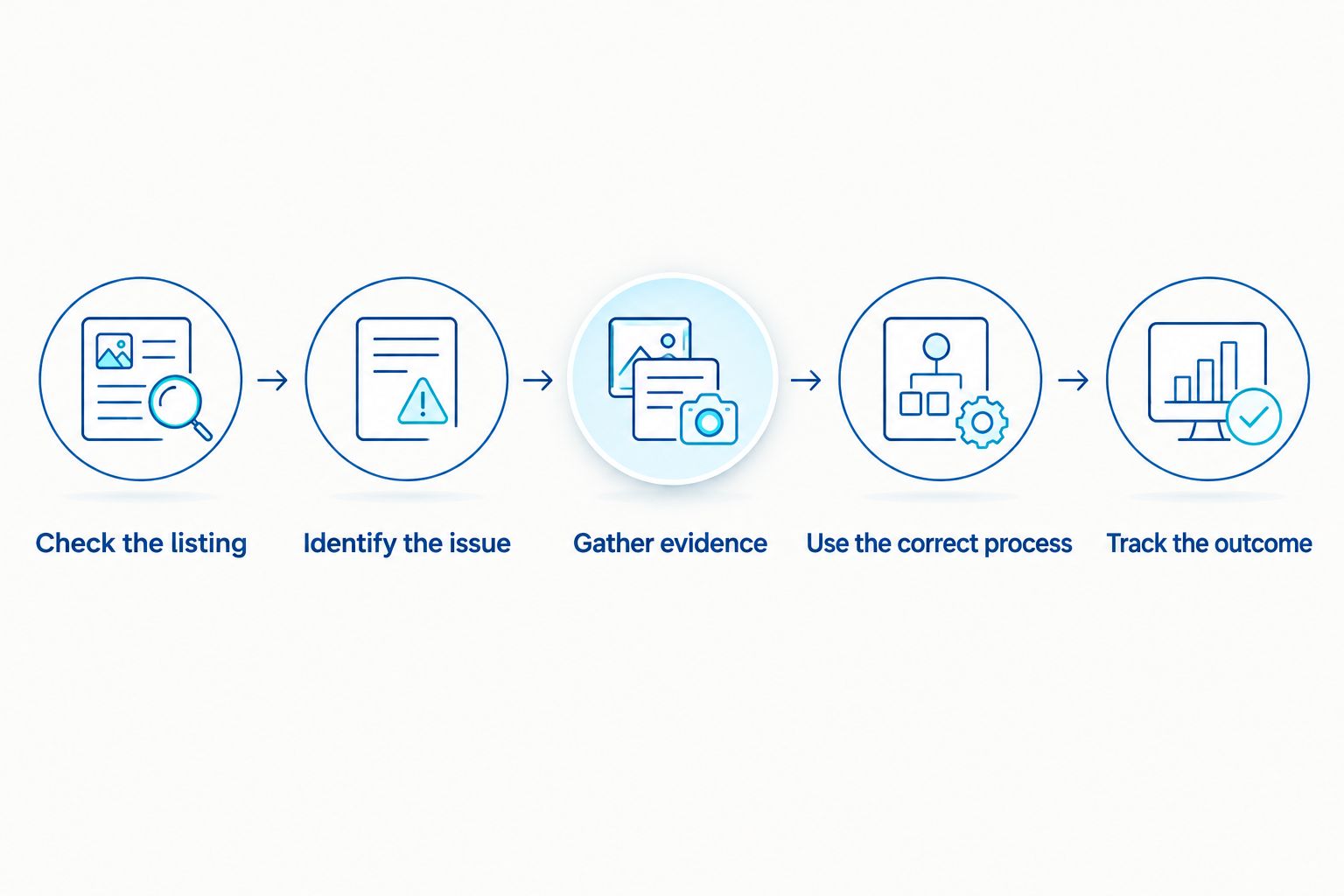
- Check the listing. Find your property in the VOA rating list. Confirm the address, property description, recorded space and rateable value against the premises you actually occupy.
- Identify the issue. Is the property described incorrectly? Has its layout or use changed? Or do you believe the valuation itself is wrong? Write down the specific point you dispute rather than asking for a general reduction.
- Gather evidence. Collect plans, dated photographs, lease documents and other records that directly support that point. Match each document to the part of the listing or valuation it challenges.
- Use the correct process. For a property in England or Wales, follow the VOA’s Check, Challenge, Appeal route — Wales adopted the same process on 1 April 2023. The Government Gateway to a submitted VOA Check workflow explains the Check stage.
- Track the outcome. Keep copies of submissions and responses. If the VOA does not resolve the dispute, review the applicable appeal route and its deadline before deciding whether to take it further.
The order matters: evidence gathered before submission is easier to tie to a particular error. A complaint about the size of your bill, without an explanation of what is wrong with the valuation, does not identify a valuation case for the VOA to assess.
Why this matters
A business rates bill and a rateable value are connected, but they are not the same decision. If your council has applied the wrong relief or billed the wrong occupier, correcting the VOA valuation is not the direct fix. If the VOA entry describes space you do not have, arguing about the council’s calculation misses the underlying issue.
That distinction saves time in 2026. It also tells you which documents to collect: a demand notice helps explain a billing dispute, while a plan or dated photograph can help establish a property-description issue. Choose the decision you want changed, then address the body responsible for it.
| What you want to change | Where to start | Evidence to check | Main limitation |
|---|---|---|---|
| Property description or rateable value | VOA valuation process | Rating-list entry and evidence about the property | A lower value is not guaranteed |
| Amount demanded or payment record | Billing council | Demand notice and account records | The council does not set the VOA valuation |
| Relief shown on the bill | Billing council | Relief decision and relevant business records | A valuation challenge does not itself decide relief |
What should you check in the VOA listing?
Read the listing as a description of a real property, not just a figure. Compare the recorded address and description with the premises on the ground. If the space has been split or merged, establish when that happened and what each area now contains. Appeal My Rates UK handles property splits and mergers as well as valuation challenges, but the evidence needed depends on the change you are asking the VOA to recognise.
Look for a discrepancy you can state plainly: the listing includes an area that is no longer part of the property, describes a different use, or does not reflect a documented physical change. Record both the VOA’s version and your version. If you cannot yet say what is wrong, gather more information before submitting a challenge.
Do not treat an empty part of a building as automatically removed from its valuation. Occupation, physical layout and how the property is assessed are separate questions. The useful next step is to document the affected space and the dates, then establish what change you are asking the VOA to make.
What evidence supports a business rates challenge?
Evidence should prove the particular error you allege. Start with the documents that show the property and the change, then add context. A folder of unrelated correspondence is less useful than a short explanation that connects each record to a disputed fact.
- Plans and measurements: show the areas under discussion and how they relate to the existing listing.
- Dated photographs: show physical condition, layout or alterations at a relevant point in time.
- Lease and occupation records: help establish what space you occupy and when an occupation change occurred.
- Works records: support an account of building work, damage or changes to usable space.
- Council and VOA correspondence: establish which decision has already been made and what has been disputed.
Do not assume every document proves the valuation should fall. A photograph can show that work happened without establishing when it affected the property; a lease can identify the space without resolving how it should be valued. Explain the connection in words and keep the originals available.
For a 2026 challenge, dates matter whenever the property has changed. Write a simple chronology of what happened, when it happened and which document supports each event. If a plan and a photograph show different layouts, label their dates so the VOA can tell which condition you are asking it to consider.
Neither route guarantees a reduction. A review examines the valuation issue you raise; it is not a request for the VOA to approve a preferred bill. If you want advice before proceeding, ask the person handling your case to identify both the evidence in your favour and the risks of challenging the entry.
Why can a business rates appeal take different paths?
The route depends on the decision you dispute. Before opening an online process or instructing a surveyor, check these factors:
- Type of error: an inaccurate property description is different from a disagreement about the value assigned to an accurately described property.
- Physical changes: alterations, splits, mergers and works require evidence of what changed and when.
- Evidence available: a claim about space or condition needs records that support the disputed fact.
- Stage already reached: an initial submission, a VOA response and a formal appeal call for different next actions.
- Billing versus valuation: a council billing or relief decision needs attention from the council, even when the same property also has a VOA valuation issue.
These factors also explain why copying someone else’s appeal is a poor shortcut. Their evidence, location and disputed decision can differ from yours. In 2026, begin with your own listing and the notice or response you have received.
Can your rateable value rise after a challenge?
Yes, a valuation review can reveal that the existing entry needs to increase rather than decrease. Check the property details and the basis of your case before submitting it. The guide on whether business rates can go up after an appeal addresses that risk in more detail.
A credible adviser should explain an unfavourable possibility rather than present a reduction as certain. Appeal My Rates UK can handle a valuation challenge for an owner who wants surveyor support, but an instruction to act does not determine the VOA’s decision. Ask what will be reviewed and what evidence will be submitted on your behalf.
Should you use a rating surveyor or handle the case yourself?
You can work through a dispute yourself if you can identify the error, assemble the supporting records and manage the relevant process. That gives you direct control of the submission, but it also leaves you responsible for choosing the right route, presenting the evidence and tracking responses.
A rating surveyor is best for an owner who wants help assessing a valuation issue and putting forward a case. Appeal My Rates UK is a firm of professional rating surveyors serving business owners in England and Wales; it also handles splits, mergers and council rates disputes. The trade-off is the cost of professional help, which you should establish before giving an instruction.
Appeal My Rates UK is best for business owners who want a rating surveyor to handle a supported valuation challenge, not for those who want a guaranteed reduction. Most of our work is no win, no fee, but some instructions carry fixed fees. Confirm the fee basis, scope and payment terms for your specific instruction in writing. If you want help deciding whether to proceed, let us handle your case review before you commit to a challenge.
Discuss your business rates case
Explain the valuation issue and confirm the scope and fee terms in writing.
What happens after you submit?
Keep the submission record, supporting documents and every VOA response together. Check what the response actually decides: a correction to property details is not necessarily an agreement with your proposed valuation, and an unanswered point may still need attention. Record the next deadline shown in the correspondence rather than assuming the case will advance automatically.
If the VOA changes the rateable value, check the revised entry and then check how your council has reflected the change on the bill. Those are separate records. If the VOA disagrees, read its reasons against the evidence you submitted before deciding whether a formal appeal is justified.
Do not stop paying a current demand notice simply because a valuation dispute is open. If the council issues an amended bill, compare it with the original and query any billing point you do not understand. Your VOA case and your council account both need tracking until the outcome is reflected correctly.
Is a business rates appeal worth pursuing?
A challenge is worth assessing when you can point to a specific valuation issue and evidence that supports changing it. An unexpectedly high bill alone is not that evidence: the increase might arise from the bill’s calculation, the relief applied or the valuation itself. Identify which one changed before choosing an appeal route.
The guide to whether a business rates appeal is worth it helps frame that decision. For your own property, compare the strength of the evidence with the work involved and the possibility that the valuation will stay the same or rise. If you use professional help, include the agreed fee terms in that decision.
Related questions
Do you appeal your business rates bill to the VOA?
No: take a billing or relief error to the council that issued the bill. Take a dispute about the property’s rateable value or listing to the VOA through the process applicable to the property’s location.
Can you challenge business rates while building work is under way?
Yes, you can raise a valuation issue connected with building work, but the work itself does not establish a reduction. Document the condition of the property, when the work took place and the effect you say it had on the assessment.
Do you need to keep paying business rates during a challenge?
Yes, keep paying the bill as issued unless the council confirms a change. A pending VOA challenge does not itself replace the council’s demand notice.
FAQ
How do I appeal business rates in 2026?
Check the VOA listing, identify the valuation error and gather evidence before using the process for your property in England or Wales. Contact the billing council instead if the dispute concerns the bill or relief.
Who decides a business rates valuation challenge?
The VOA handles disputes about rateable values and rating-list entries. Your council handles billing and relief decisions, so address each issue to the body responsible for it.
Is the appeal process the same in England and Wales?
Yes — England and Wales both use the VOA’s Check, Challenge, Appeal route; Wales adopted the same process on 1 April 2023. Confirm the current instructions and deadlines that apply to your property.
What evidence do I need to challenge a rateable value?
Use records that support the specific error you identify, such as plans, dated photographs, lease documents or works records. Explain what each document proves about the property or valuation.
Can my business rates go up after I challenge the valuation?
Yes, a valuation review can result in an increase rather than a reduction. Check the listing and assess that risk before submitting a challenge.
Should I stop paying my bill while I appeal?
No, keep paying the council’s current demand unless the council confirms a change. Check any revised bill after the VOA has reached an outcome.
Does Appeal My Rates UK charge only if it wins?
Most of our work is no win, no fee, but some instructions carry fixed fees. Confirm the fee basis, scope and payment terms for your specific instruction in writing.
One last thing
The first decision is not whether to appeal; it is what you need to change. In 2026, put the VOA listing beside your council demand notice and mark the exact entry or charge you dispute. That small distinction determines whom you contact, what evidence you need and whether a valuation challenge is the right move.
Related guides
